
Kayaking in Australia is regulated differently depending on the state and the type of water. The safety requirements for a flatwater lake paddle are different to those for coastal or whitewater paddling. Understanding the rules and the practical safety considerations for where you are paddling is worth sorting out before you are on the water.
PFD Requirements
In NSW, a Personal Flotation Device must be worn when paddling a kayak or canoe on open or coastal waters. On enclosed waters, it must be readily accessible in the vessel. In practice, wearing it at all times is simply the right approach. A PFD that is tied to your boat does not help you when you are in the water and your boat is three metres away.
Cold Water
Australian water temperatures vary considerably. Southern waters, alpine lakes, and early season rivers can be cold enough for hypothermia to become a risk after an unplanned swim. Cold shock from sudden immersion in cold water can incapacitate a strong swimmer. In cold water conditions, dress for the water temperature rather than the air temperature. A wetsuit or drysuit changes the risk profile significantly.
Capsizing and Re-Entry
Every kayaker should practice wet exits and re-entry before they need to do it for real. A wet exit from a sit-in kayak involves releasing the spray deck and pushing out cleanly. Getting back into a kayak in open water requires a reliable technique, whether assisted or using a paddle float. Practice this in a controlled environment so it is not the first time you do it when conditions are difficult.
Paddling Alone
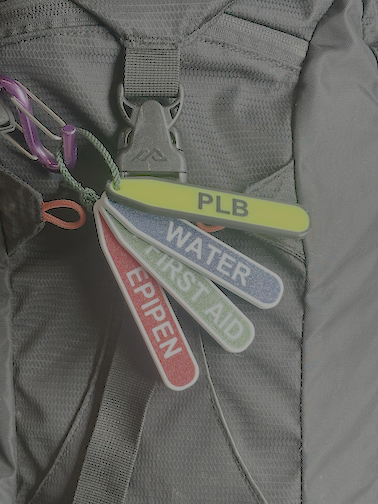
Paddling alone removes the safety net of a paddling partner. If you paddle solo regularly, a PLB or marine radio is a worthwhile investment for any remote or coastal paddling. Leave a detailed trip intention with someone on shore including your expected return time and what to do if you have not made contact.
Weather and Wind
Check the forecast before any paddle, including wind. Wind has more impact on a kayak than most other watercraft because of the large surface area above the waterline. A 15 knot headwind on open water is uncomfortable and tiring. A 25 knot headwind can stop a paddler from making progress. Know what the wind is forecast to do and plan your route to work with it where possible.